
Movement for health
The Importance of Movement for Health
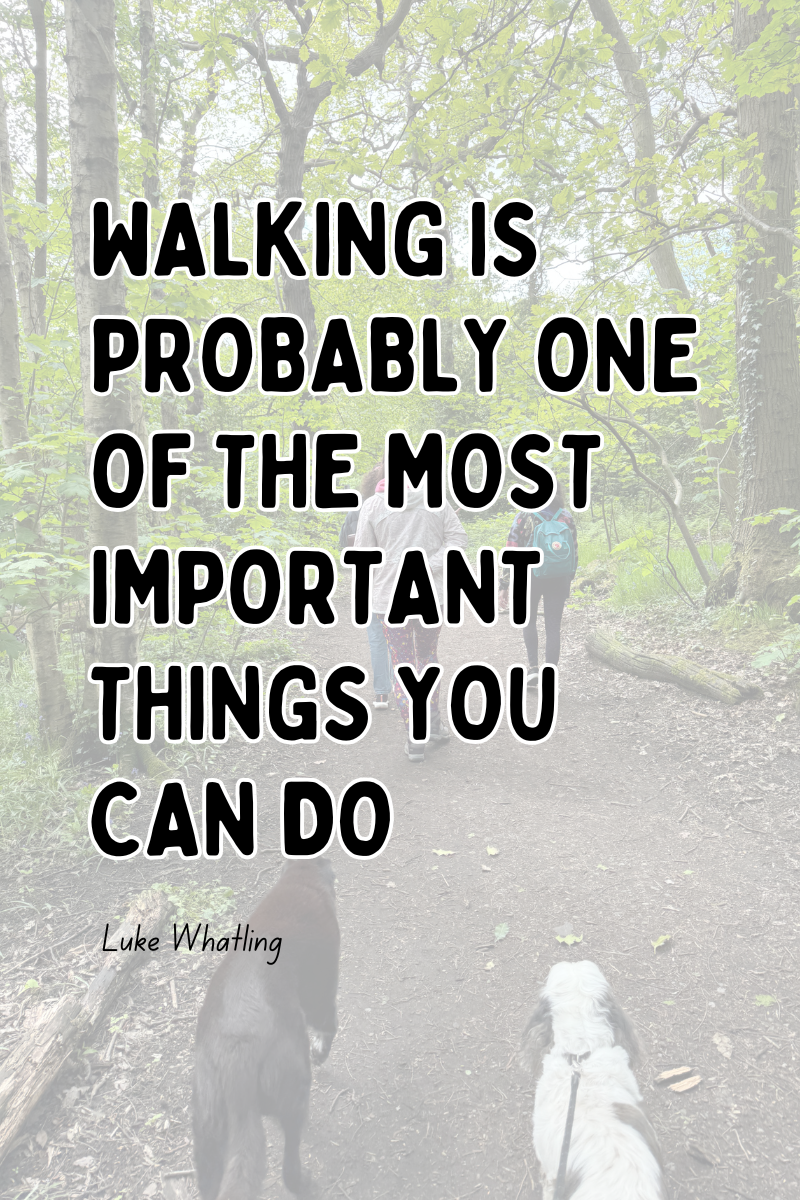
What a wonderful response to last month’s blog, thank you! It feels good to get information out there; I’ve already been talking about some of the content with my practice members. For this month, I wanted to focus on movement. One of the things I tell nearly every practice member is that walking is probably the most important thing you can do.
We are bipeds. Put simply, we have two legs, and we have them for a reason: to move. Movement isn’t just about keeping fit, burning calories or building muscle, and granted these are all very important; it’s about fuelling your brain and nervous system – without movement, we know that your body and mind work less efficiently.
Why Movement Matters
Your spine and joints are packed with receptors that constantly send information to your brain. Every time you move, your brain gets feedback about where you are in space, what muscles to switch on, and how to stay balanced. Research published in Frontiers in Public Health1 found that just 10 minutes of walking had a significant positive effect on memory and cognitive performance across all age groups too — which is pretty remarkable when you think about it. You don't need to run a marathon. You just need to move.
We were designed to move thousands of steps every day. Our ancestors walked, climbed, hunted, and carried. our ancestors regularly walked 12,000–18,000 steps a day, sometimes more than 20,000. These days, most of us sit for hours at desks, in cars, or on sofas. That lack of movement adds up. Muscles tighten, posture changes, joints stiffen, and the brain receives less quality input. Over time, this can show up as pain, slower reactions, reduced balance, and even fatigue. (More on stress, and its impact on our lives in another blog).
Things You Can Do to Move More
Here are some ways to keep your body moving:
Standing desk – try alternating between sitting and standing.
Movement breaks – take regular movement breaks every 20 minutes. Even just around the house or office.
Walking! – Take a daily walk. Walking with a friend is even better (more on the ‘friend’ bit in another blog)
Take the stairs – Yes, it’s a simple one but it’s very effective for adding movement to your day.
Play! – Movement doesn’t have to be exercise. I play hockey and cricket, and this way I’m exercising without really thinking about it or anything else for that matter (more on ‘flow state’ in another blog).
How Chiropractic Fits In
Chiropractic adjustments don't replace movement, but they do make it easier. When joints move better, it frees your body up to get the most out of exercise and activity. Practice members often notice they can move more smoothly, train with less restriction, and feel more energy. And if you've had an adjustment from me — the best thing you can do afterwards is move. That's how your body integrates it.
1 Mualem R, Leisman G, Zbedat Y, et al. The Effect of Movement on Cognitive Performance. Front Public Health. 2018;6:100.