We have moved, Our new address is - Goose Chiropractic and Well-being centre, Lotus House, Campbell Way, Dinnington, S25 3QD.


Massage
Headache again?
What is chiropractic?
One of the biggest misconceptions about chiropractic is that it’s solely about the neck, back, or spine. In reality, chiropractic is focused on the connection between the brain and the body’s neurology.
Your brain is the control centre for every process in your body—from complex movements, balance, and organ function to cellular metabolism and activation. Chiropractic care helps optimise this communication by promoting proper signalling between the brain and body, enabling you to function, heal, and thrive to your fullest potential—regardless of your current health status, prior injuries, or challenges.
While chiropractic is often associated with addressing back pain, neck pain, and headaches (with numerous studies supporting its effectiveness), chiropractic does not treat specific conditions. Instead, it supports the body’s natural ability to heal and function. This is why chiropractic care can benefit everyone—from newborns to the elderly, professional athletes to those living with neurological challenges.


If your headaches start at the base of your skull, your neck is worth a look.
At any given time, around 1 in 6 people worldwide have a headache.
Headaches are naff
They are one of the most common health complaints people experience and are often brushed off as a normal part of modern life. We need to remember that just because something is common it does not mean that it is normal…
So, what is the most common answer to headaches… the answer is often painkillers, but that often only dampens the symptom while the cause is still there. Think of it like putting a plaster over a cut, we have stopped the bleeding but there is still an issue underneath. This is an answer that we at Goose Chiropractic want to change.
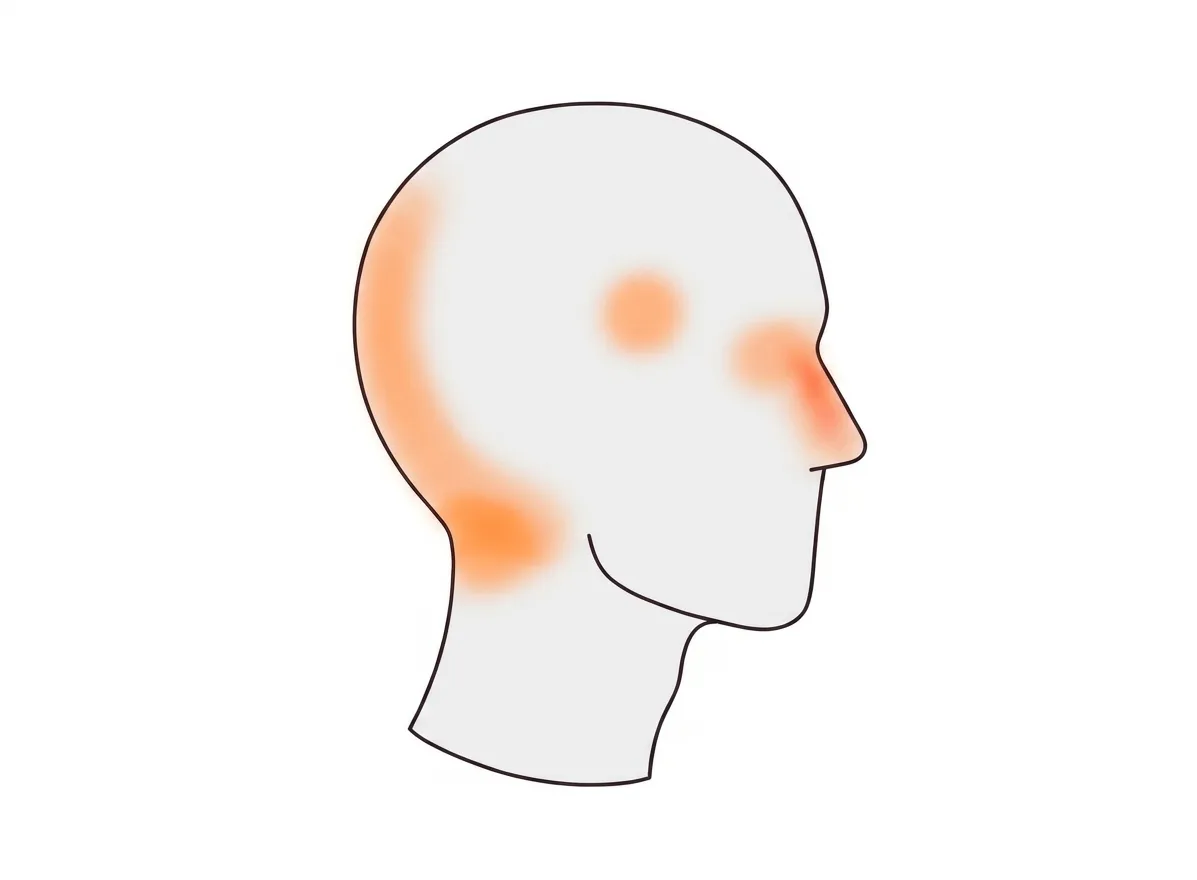
This page is about cervicogenic headaches: headaches that start in the neck but are felt in the head, often behind the eyes, at the temples or at the base of the skull. They can feel a lot like tension headaches, which is why they often get missed.
Headaches are incredibly common. Research suggests that more than half of the global population has an active headache disorder in any given year (Stovner et al., 2022). On top of that, at any given time, around 1 in 6 people worldwide are dealing with a headache (Stovner et al., 2022). So, if you’ve experienced headaches, you’re very much not alone and this is exactly why we need to talk about it.
What causes headaches?
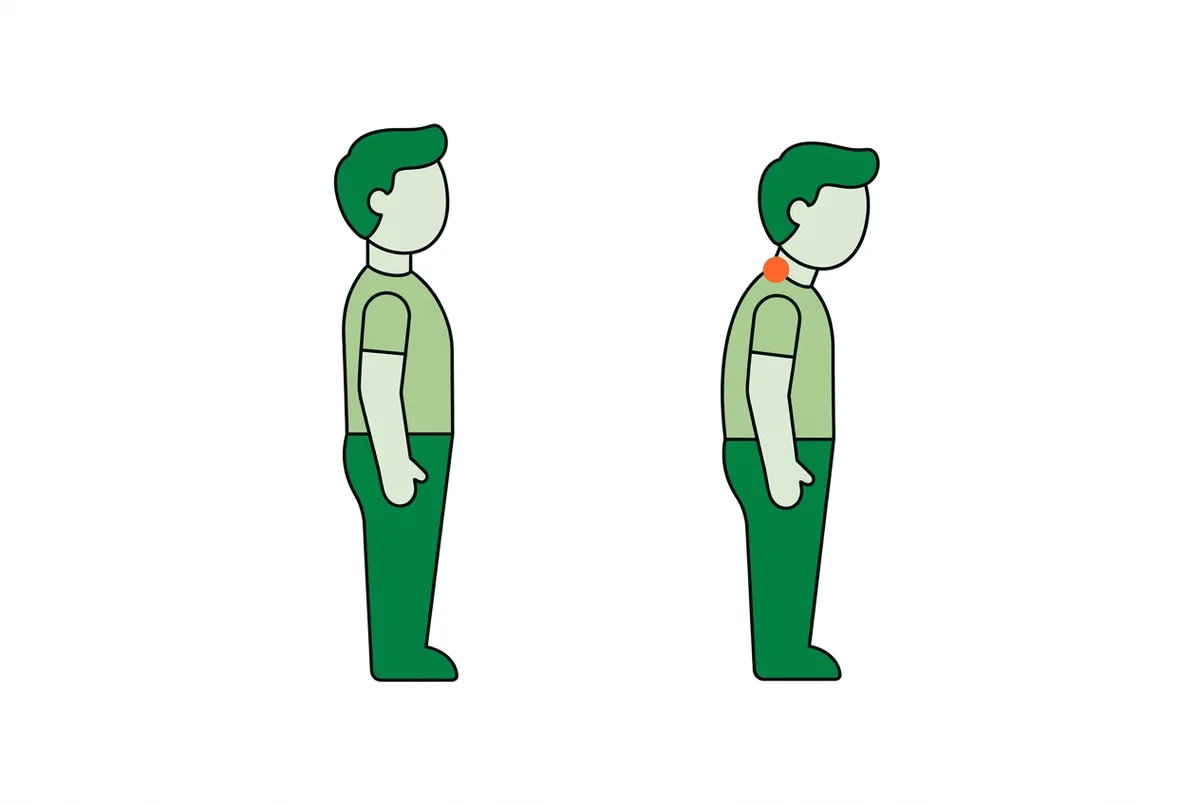
Cervicogenic headaches originate from the joints, muscles, and surrounding structures of the neck that are not functioning as well as they should. Pain can refer from the neck into the head, often presenting with pain behind the eyes, temples, or starting at the base of the skull and moving upwards to the back of the head.
Today’s world is brutal and a big contributing factor to why these issues arise. We spend hours looking down at phones, working at desks, sitting on sofas where we hunch like prawns placing constant stress on the neck and upper back. The head weighs roughly the same as a bowling ball. When it’s sitting nicely over your shoulders, the body manages that weight well. But as the head drifts forward, strain on the neck increases significantly. It’s like holding a bowling ball close to your chest versus holding it out in front of you. Same weight, very different effort.
Over time, this can lead to joint restriction, muscle tension, and irritation of surrounding nerves which can contribute to headaches.
Stress is also an important factor here. When we’re under ongoing stress from things like deadlines or money worries, the body stays in a heightened, “fight or flight” state. Muscles tighten, we shallow breathe, and tension builds particularly in the neck and shoulders. This response makes sense when we are being chased by a tiger because it preps our body to deal with the danger in front of it but over time, this can create the conditions for headaches to develop since we aren’t designed to be stressed so frequently.
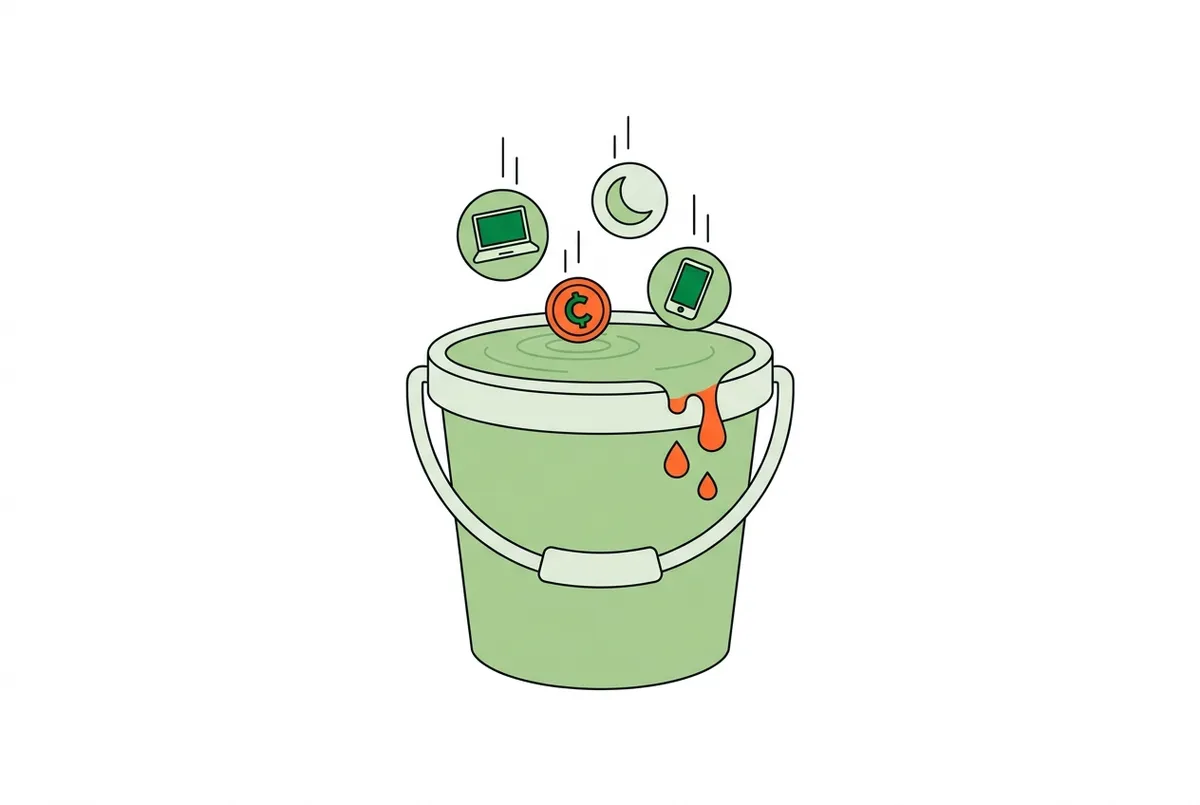
One analogy I often use is the idea of a “stress bucket.” Everything we go through in daily living, physical stress like posture, emotional stress from work or life, poor sleep or hydration and chemical stress like smoking all go into that same bucket. A headache is often what happens when that bucket starts to overflow. It’s rarely just one thing; it’s an accumulation.
How chiropractic can help
Chiropractic care looks at the body and nervous system (brain and spinal cord) and allows it to work and heal as effectively as possible. Rather than simply chasing the symptom, the aim of Chiropractic care is to improve how the body is moving and adapting. Chiropractic does this by removing ‘interference’ and stress placed on the body system by the adaptations we adopt that have built up over time. When those areas move better, the body can cope and adapt more easily, and for many people headaches ease.
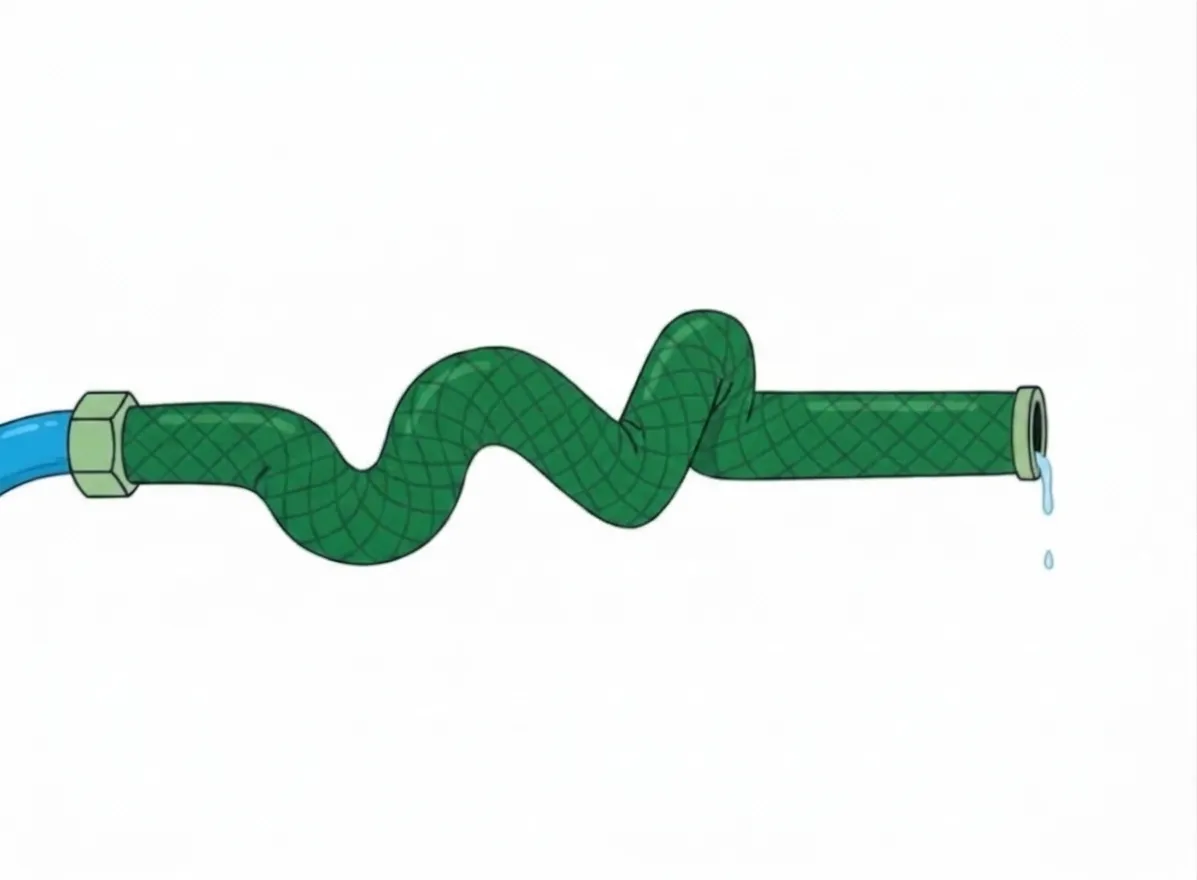
A good way to picture this is like a hosepipe. If there’s a kink in the hose, the flow isn’t as smooth. Some water gets through but there’s added pressure and strain in the system. In the body, restrictions in movement can have a similar effect, things don’t flow or function as well as they could.
Chiropractic adjustments aim to improve movement in these ‘kinked’ areas over time. Improved movement then further reduces the inflammation of the area and therefore supports the body in functioning more efficiently. The knock on effect of the body being under less mechanical stress is that people’s overall wellbeing starts to improve. The body moves out of the pain stricken defensive state of fight or flight that we talked about previously and more into a rest and digest, healing state.
Soft tissue therapy can work to ease the muscles surrounding the problem area to further alleviate the stress.
Building on the foundations set by removing mechanical stress on the neck in this example, Chiropractic and Soft tissue therapy then looks holistically at lifestyle factors. It is important for your body to move, especially as we said, in a very sedate world. Exercise will be an important component of care. This can be a weights or flexibility routine to keep the body moving or even just encouraging walks and gentle movement. It is important for us to meet people where they are and not overload the body.
Lifestyle tweaks are a great addition too. Looking into further postures such as driving positions, work set-ups, along with good hydration and food can go a long way in preventing the issue from coming back and fuelling the body to heal in the best way.
All of these components and more are why many people come to us for help with their headaches.
This is why this information is intended for anyone who has been on long term painkillers or had days where they have felt wiped out and unproductive or are just bored of having the nagging headaches. Chiropractic care may be worth exploring.
When to see your GP
Most headaches are not dangerous, but a few need urgent medical attention. If you get a sudden, severe headache that feels like the worst of your life, or a headache after a knock to the head, get urgent medical help (111, or 999 if it is an emergency). Call 999 if a headache comes with a high temperature and stiff neck, confusion, slurred speech, weakness or numbness on one side of the body, or changes to your vision.
It is also worth seeing your GP if your headaches are new and you are over 50, keep getting worse over days or weeks, or wake you from sleep. If you are on regular painkillers, please do not change or stop them without talking to your GP first. And if you are not sure, ask. Nobody will mind.
We check for this at every consultation. If anything we find suggests you need a medical opinion first, we will point you in the right direction before going any further. That is part of making sure you are in the right place.
How care looks at Goose
At Goose Chiropractic we will do a thorough assessment process in one of our consultation rooms to make sure you are in the right place. This involves a consultation covering multiple aspects of your health. The more we know about you the better understanding we will have of the problem and the better we can predict how well you will heal. This is relaxed conversation and there are no right or wrong answers, no judgement, we are here simply to find out the facts and get the best out of your care.
Following this, an assessment on the bench will be done which investigates the body neurologically and mechanically to give further understanding of any issues.
Following the conversation with the chiropractor, one of our specialist chiropractic technicians will take you for your functional analysis scan. This provides measurable reliable data on your posture, movement ability and muscle activity of your body along with further metrics including blood pressure, weight distributions and other vital readings.
Having this technology helps guide the Clinicians’ decision making to support the best possible tailored plan-of-management moving forward and get the best results out of care, over the coming weeks and months. It is also an integral part of the service we offer as it means we can carefully measure progress and ensure that we are happy with how things are progressing over time as the scans are repeated every twelve sessions.
Your clinician will collate all of this information and create your plan-of-management which will be discussed with you at a separate appointment. Following this discussion, care can start and the first session will take place, getting the ball rolling on your health journey.

So, this is an invite to you the reader if you suffer with headaches or know someone who does, please get in touch and let’s stop putting up with something that you don’t have to live with.
FAQ's
How do I know if my headache is coming from my neck?
Honestly, you can't always tell from the inside. People often describe a headache that starts at the base of the skull and creeps forward, or one that flares up after they have held a position for a while, usually with a stiff neck alongside. We would rather look properly than guess, which is what the assessment is for. And if your headache doesn't fit this at all, we will tell you and point you to the right person.
Does it hurt, and is it safe?
Most people find adjustments comfortable. Some feel a bit achy afterwards, a bit like the day after a workout, and that tends to pass within a day or so. Chiropractors are regulated by the General Chiropractic Council, and we go through any risks with you before we start, because no hands-on care is completely risk-free. We assess first, and if an adjustment isn't right for your neck, we won't do one.
How many sessions will I need?
It depends, and anyone who gives you a number before meeting you is guessing. Headaches that have been around for years don't tend to vanish after two visits (even a papercut takes a week to heal). After your assessment we put a plan together and go through it with you at a separate appointment, and we repeat your scan every twelve sessions so you can see what is changing, not just how you feel.
Do I need a referral from my GP?
No, you can book with us directly. If you are claiming through private health insurance, check with your provider first as some have their own rules. And if your headaches are new, severe or worrying you, see your GP first.
Still not sure? Get in touch and have a chat with us. No pressure, we would just love to meet you.
Ready to get to the root cause of your headaches?
Written by Kal Hammond-Race, MChiro

Kal Hammond-Race
Will happily adjust you, then disappear to the gym....or up a mountain
Chiropractor


Goose Chiropractic & Wellbeing Centre is a trading name of Goose Lane Clinic Ltd. Company Registration No. 10090663. Registered in England & Wales.
Serving Rotherham, Sheffield, Doncaster, Barnsley, Workshop & South Yorkshire
Prioritise yourself, invest in your health, and give us a call today to start your journey towards a healthier future.
Useful Links
Opening Times
Monday: 8:30am - 6:30pm
Tuesday: 8:30am - 6:30pm
Wednesday: 8:30am - 6:30pm
Thursday:8:30am - 6:30pm
Friday: 8:30am - 6:30pm
Saturday: 9:00am - 1:00pm
Our Clinics
Goose Chiropractic and Well-being centre
Lotus House
Campbell Way
Dinnington
S25 3QD